Much of today’s focus regarding K-12 school safety and security is on emergency response. Various stakeholders, including district leaders, parents, and school boards, want to know if a school is prepared to respond to an incident, particularly those involving violence.
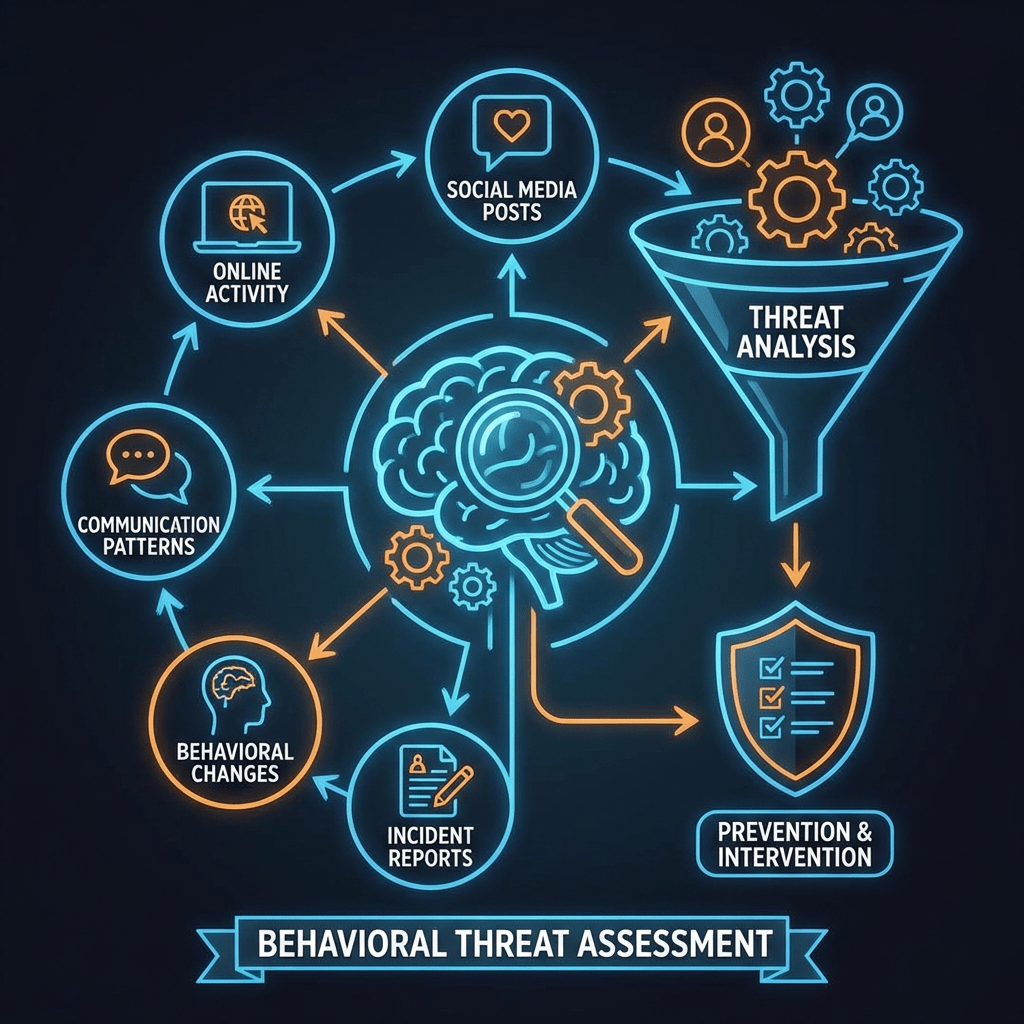
However, prevention should be at the forefront of the rhetoric and school safety plans, and behavioral threat assessments play a pivotal role.
The overall threat landscape has drastically changed in recent years. During the pandemic, the United States saw a significant uptick in homicides, shootings, and aggravated assaults. While FBI crime data shows overall violent crime returned to pre-pandemic levels in 2022, the Justice Department’s National Crime Victimization Survey found violent victimization rate for people between the ages of 12 and 17 doubled, representing the age group that saw the biggest increase in violent victimization. The survey also found fatal and non-fatal gun violence increased by more than 10% for those under the age of 18.
Campus Safety spoke with Lew Robinson, a retired U.S. Secret Service who specialized in behavioral threats assessments, and Kirk Cerny, COO of Secure Passage, about what is causing an increase in violent crime among young people and leading practices and resources for addressing the issue.
“We’ve really lost trust and respect in each other, trust and respect in our institutions — whether it be governmental schools and so forth. And it impacts other issues — mental health and developmental issues,” Robinson said (1:49). “We’ve seen a significant uptick in mental health and emotional and developmental issues in the last several years, especially coming out of COVID and even really pre-COVID in the schools, and the schools having to deal with those issues.”
Students are also carrying the weight of negative home life factors into schools, including substance abuse and fiscal issues. Social media is largely to blame as well, says Robinson.
Read the full article, watch the interview, or listen on Spotify or Apple.
 Amy Rock Editorial, LLC