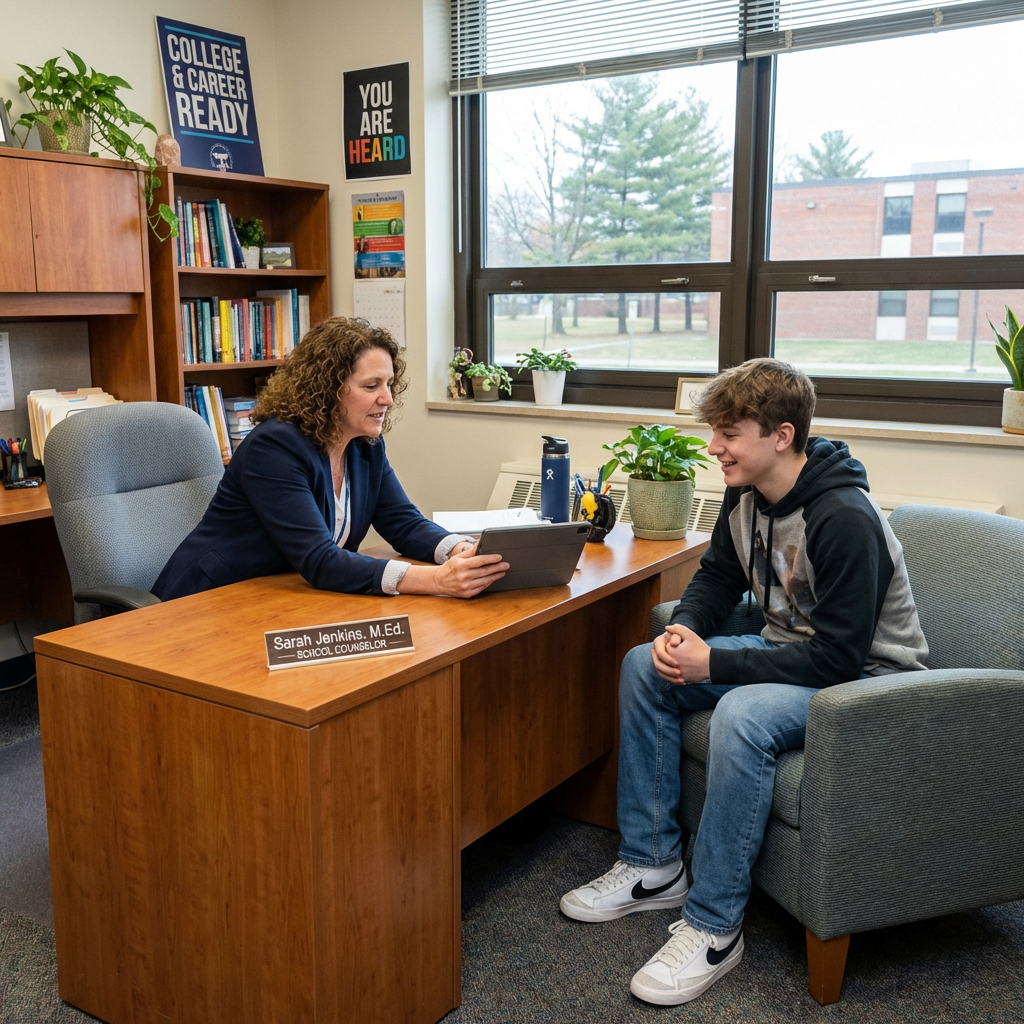
Discussions around mental health issues and their prevalence have changed dramatically over the years, particularly since the COVID-19 pandemic. People are more open and willing to share their mental health struggles yet our country doesn’t have nearly enough providers.
The National Council for Behavioral Health reports that 77% of counties in the U.S. have severe shortages of behavioral health professionals. A Harvard University study recently found just 17% of phone calls placed to get an appointment with a mental health counselor were successful. The U.S. is also 6.4% short of the psychiatrists we need, and the shortage is predicted to nearly double by 2025, reports Recovery.org.
According to Counseling Today, a publication of the American Counseling Association, there are five main reasons for the provider shortage:
- Lack of funding: The government provides a limited amount of funding for mental health services and counseling
- Poor reimbursement rates: Mental health providers are often not adequately reimbursed by insurance companies or government programs
- Low retention: The current number of mental health professionals does not meet the needs of the population
- Increased need for services and limited access to care: The increased demand for mental health services is outpacing the supply of providers
- An aging workforce: Many many health professionals in the U.S. are nearing retirement age
One group significantly impacted by the shortage is students. In a 2021 advisory report, U.S. Surgeon General Vivek Murthy said a “widespread” mental health care crisis is affecting children, adolescents, and young adults, and it was only accelerated by the pandemic. Murthy pointed to the far-reaching and long-lasting economic and societal consequences that the country could face without age-appropriate and effective interventions.
 Amy Rock Editorial, LLC