On April 3, four Harvard University students were held at gunpoint when at least five campus police officers raided their undergraduate suite. The officers were responding to a false 911 call about an armed individual.
The students awoke to the officers banging on their suite door early Monday morning, reports The Harvard Crimson. When one of the students, Jarah Cotton, peered out of her room into the common area, she saw officers armed with assault rifles and in riot gear. Held at gunpoint, the officers instructed the suitemates to exit their rooms with their hands raised.
HUPD spokesperson Steven G. Catalano said in an interview that Harvard police were dispatched to the building after receiving a report of someone “threatening violence against occupants.” The officers searched the Leverett House suite with “negative results for an individual with a firearm or any persons acting in a suspicious manner.”
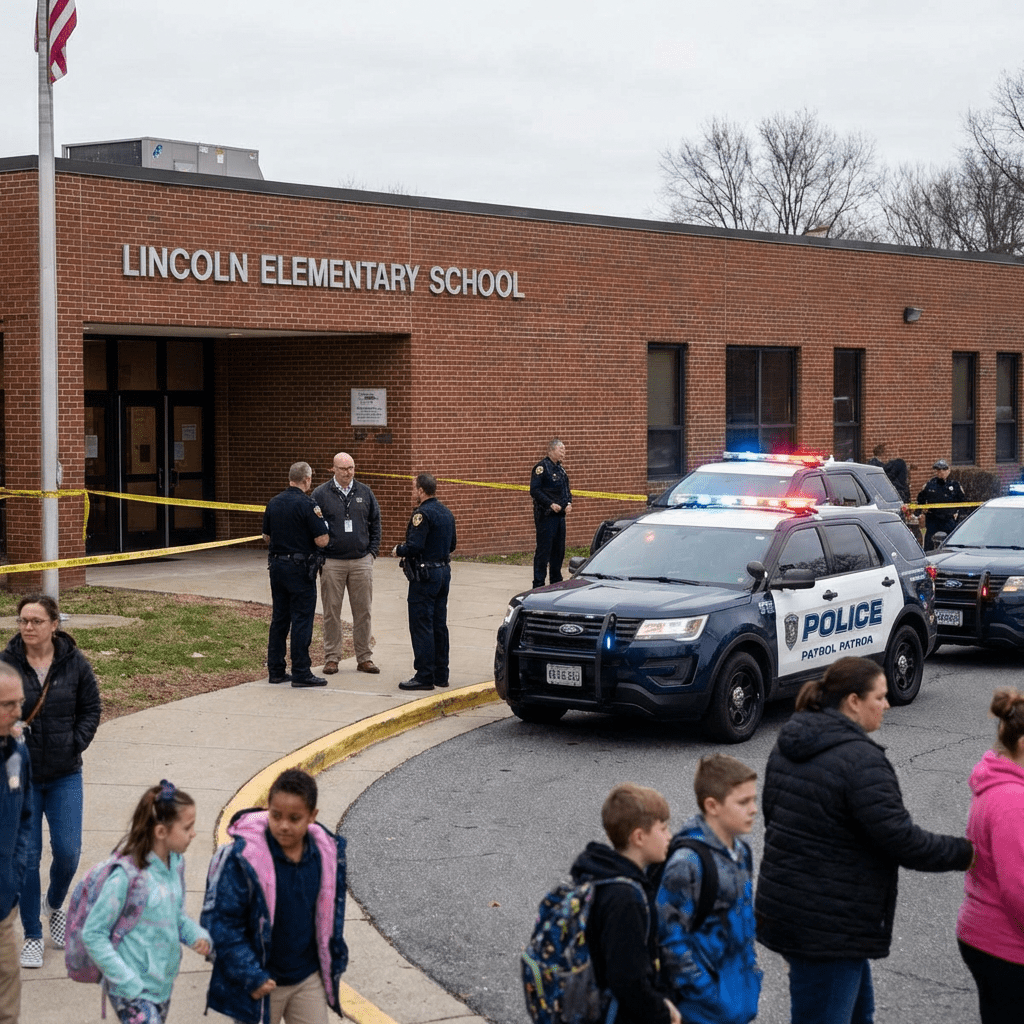
That same day, Rider University students and staff were told to shelter in place for nearly an hour after the school’s public safety office received an anonymous phone call threatening gun violence on campus. Officers determined the threat was not credible and it was deemed a “swatting event,” according to a press release from the Lawrence Township (N.J.) Police Department.
Making or reporting a false threat that prompts an emergency response, commonly referred to as swatting, isn’t new. Years ago, the most common form of swatting within a school environment was a bomb threat, often placed by students looking to get out of a test or hoping for a long weekend. What is new is who is placing them, the nature of the threats, and their frequency.
Read the full article, watch the interview, or listen on Spotify or Apple.
 Amy Rock Editorial, LLC