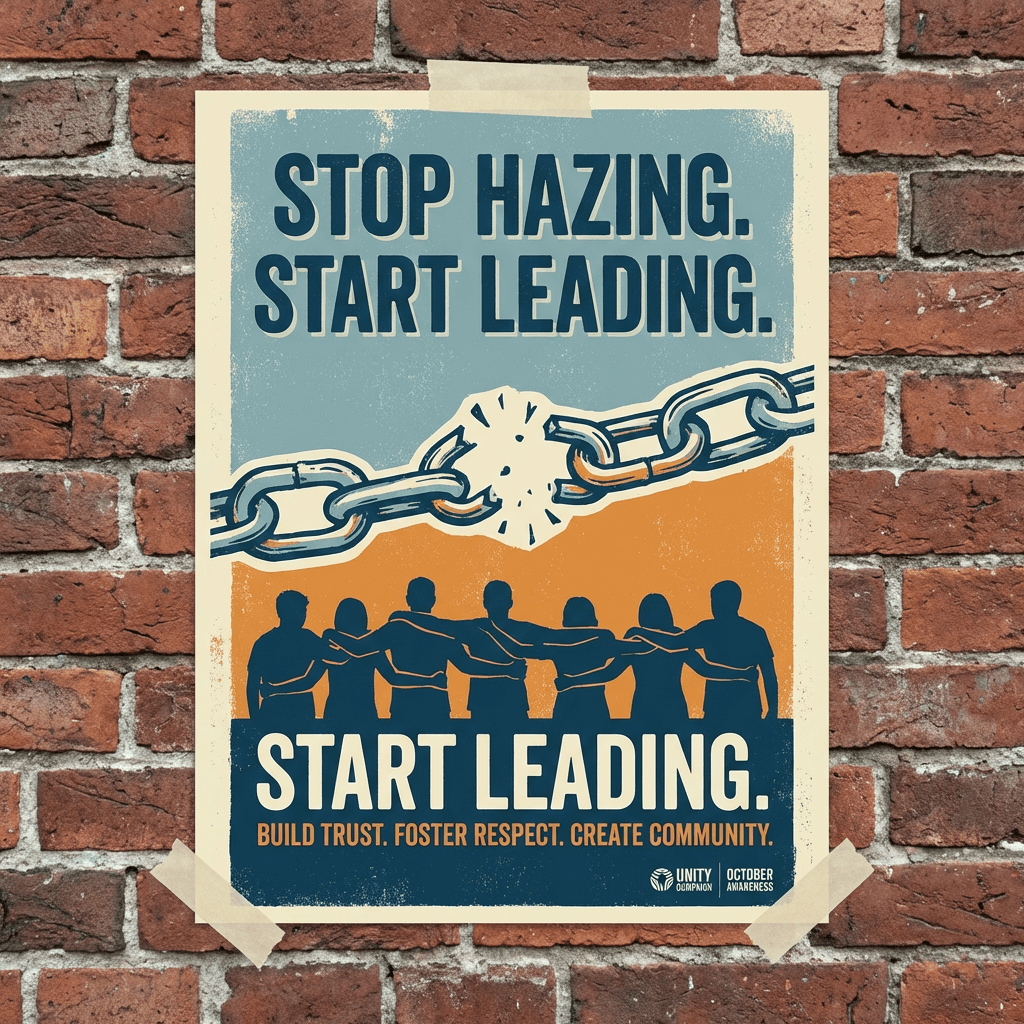
Hazing is a practice that has been around for centuries, as have moves to implement hazing reform.
In 1495, Leipzig University in Germany added an anti-hazing clause to the student handbook stating, “Each and every one attached to this university is forbidden to offend with insult, torment, harass, drench with water or urine, throw on or defile with dust or any filth, mock by whistling, cry at them with a terrifying voice, or dare to molest in any way whatsoever physically or severely, any, who are called freshmen, in the market, streets, courts, colleges and living houses, or any place whatsoever, and particularly in the present college, when they have entered in order to matriculate or are leaving after matriculation.”
In 1684, Harvard University student Joseph Webb was expelled for hazing that included hitting students and forcing them to perform acts of servitude.
Similarly, many states have recently passed laws that toughen punishments for hazing perpetrators and bystanders. In the U.S., 46 states have at least some type of hazing law on the books. These laws range from criminal laws with sanctions for individuals and universities to educational codes that threaten to withdraw funding from institutions that fail to investigate reports of hazing.
In this article’s slideshow, we will provide an overview of legislation that has been passed as a result of hazing that led to a student’s death. All but one of the fatalities were college students who died pledging fraternities. According to the study, “Hazing in View: College Students at Risk (2008),” 73% of students in a sorority or fraternity experience at least one hazing behavior. The chart below breaks down the findings further by organization type.
 Amy Rock Editorial, LLC