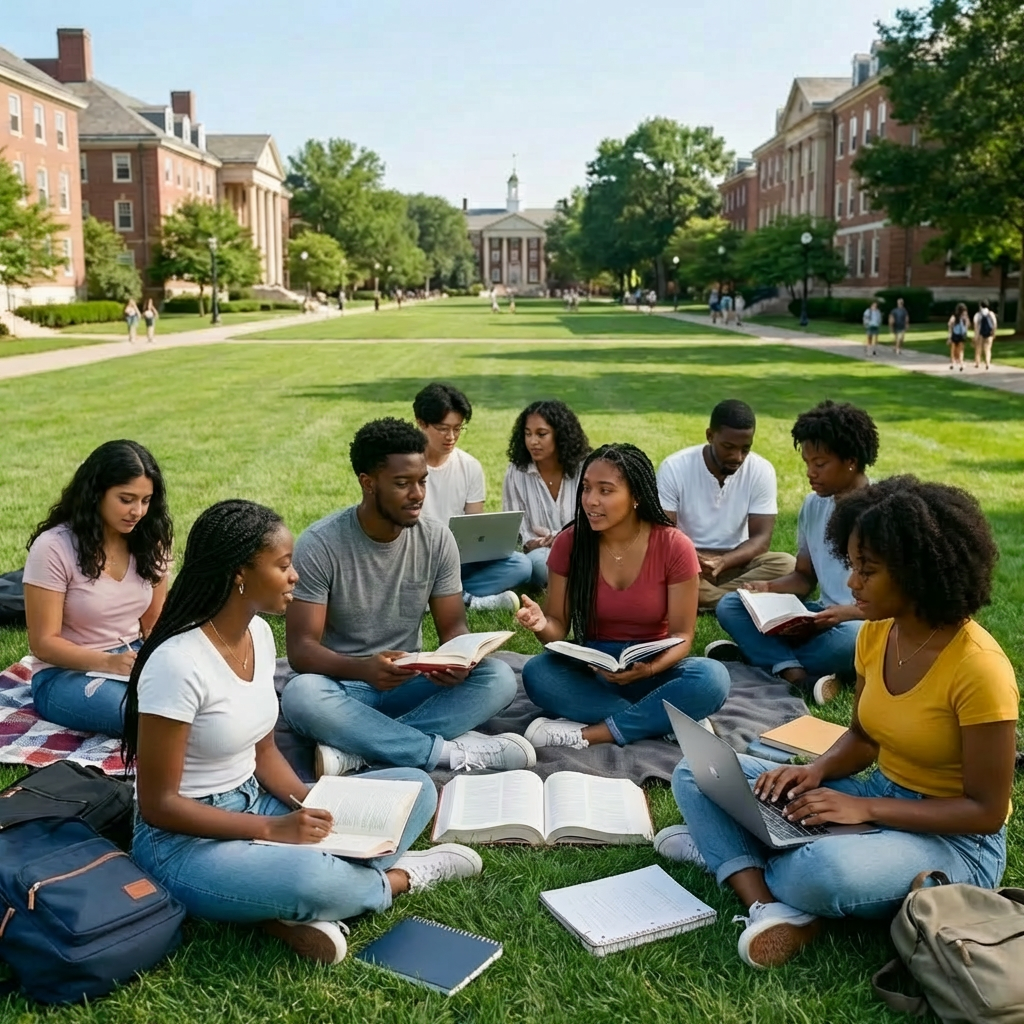
According to a 2020 report from the Centers for Disease Control and Prevention, 50% of women and 30% of men have experienced sexual violence. Marginalized groups are at an even higher risk for sexual assault, including people of color. For instance, Native Americans are twice as likely to experience rape or sexual assault compared to all races, and approximately 60% of Black girls experience sexual abuse by age 18.
LGBTQ+ people are also at an increased risk. A 2021 study by the Williams Institute at UCLA School of Law found that transgender people are over four times more likely than cisgender people to experience violent victimization, including rape, sexual assault, and aggravated or simple assault. For LGBTQ+ women, those statistics are even more staggering, with lesbian, bisexual, and transgender women more than five times more likely than non-LBT women to experience sexual assault.
Young people are also at higher risk for sexual assault, with people most at-risk between the ages 12 and 34. On college campuses, where most students are ages 18 to 22, sexual assaults account for 43% of total on-campus crimes, with approximately eight forcible sex offenses per 10,000 students, according to data analyzed by the American Psychological Association (APA). By graduation, 26% of female undergraduate students report experiencing sexual assault, according to a 2020 study.
Read the full article, watch the interview on YouTube, or listen on Apple or Spotify.
 Amy Rock Editorial LLC